

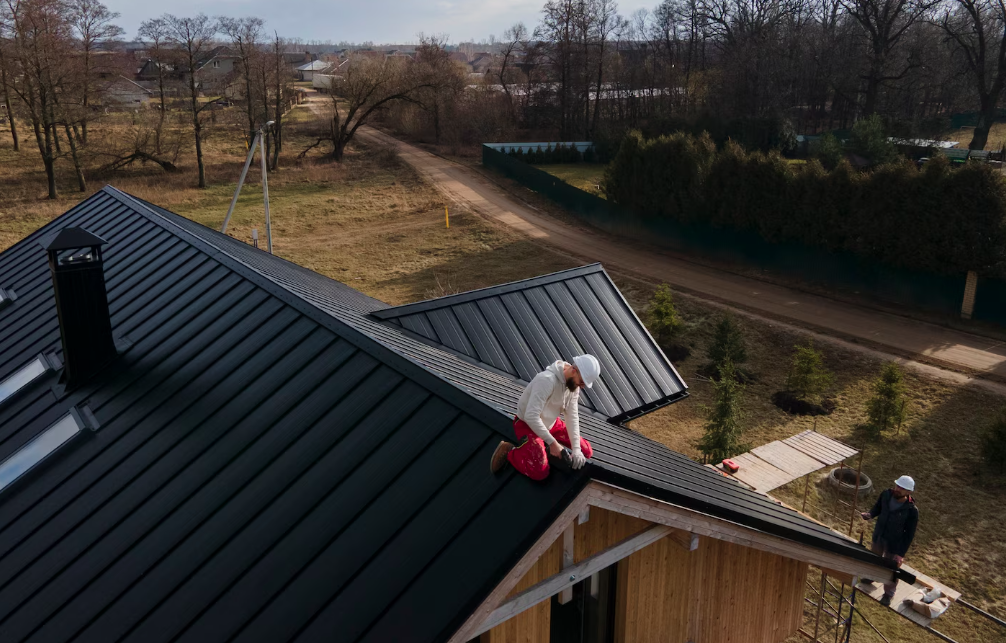
The roof of a home is its first line of defense against the elements, making it one of the most critical components of any building. When the time comes to repair or replace this essential structure, homeowners must navigate a sea of contractors to find the right fit.
Choosing the best residential roofing provider requires a careful evaluation of technical expertise, local reputation, and financial transparency to ensure the longevity of the investment.
Verifying Licensing and Insurance
The most fundamental step in your search is ensuring that the contractor is fully licensed and insured. A reputable company providing residential roofing should carry both general liability insurance and workers’ compensation.
This protection is vital because it shields the homeowner from financial responsibility in the event of an accidental injury on the property or damage to the home during the construction process. Always ask for physical copies of these documents to verify their validity before signing any contract.
Evaluating Local Experience and Reputation
While national companies may have large marketing budgets, local contractors often have a better understanding of the specific weather patterns and building codes in your area.
A company that has established a long history of residential roofing in your community is likely to be more accountable for their work.
Check online reviews and ask for local references to gauge the quality of their craftsmanship. A contractor who is proud of their portfolio will have no hesitation in providing examples of successfully completed projects in your vicinity.
Assessing Material Quality and Variety
Not all roofing materials are created equal, and a high-quality contractor should offer a variety of options tailored to your home’s architecture and budget.
Whether you are interested in traditional asphalt shingles, metal panels, or synthetic slate, the provider of residential roofing should explain the pros and cons of each.
They should use materials from established manufacturers that offer robust warranties, ensuring that your new roof can withstand high winds, heavy rain, and intense sun exposure for decades to come.
Transparency in Estimates and Pricing
A professional contractor will provide a detailed, written estimate rather than a vague verbal quote. This document should break down the costs of materials, labor, permits, and waste removal.
When comparing prices for residential roofing, be cautious of bids that are significantly lower than the market average, as this may indicate the use of sub-par materials or a lack of proper insurance.
Clear communication regarding payment schedules and potential extra costs for unforeseen wood rot is a hallmark of a trustworthy business.
Quality of the Workmanship Warranty
In addition to the manufacturer’s warranty on the shingles or tiles, the contractor should provide a workmanship warranty. This covers any defects that might arise from the installation process itself, such as improper flashing or poor ventilation.
A confident roofing professional will typically offer a multi-year guarantee on their labor, providing you with peace of mind that they will stand behind the quality of their installation long after the project is finished.
Communication and Professionalism
From the initial consultation to the final inspection, the level of professionalism displayed by the crew is a strong indicator of the service quality. A good contractor will be responsive to your questions, keep the job site clean, and provide a clear timeline for the project’s completion.
Effective communication ensures that there are no surprises during the build, allowing the homeowner to feel confident and informed throughout the entire process of securing their home’s future.