

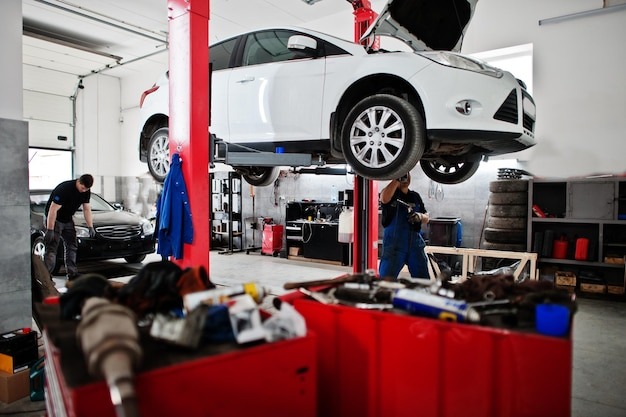
A vehicle collision can leave behind visible damage as well as problems that are not immediately noticeable. Even when a car appears to be drivable, its frame, suspension, electrical components, or safety systems may have been affected. Understanding the repair process can help vehicle owners make informed decisions after an accident. Professional automotive repair is often necessary to assess the full extent of damage and restore the vehicle to safe operating condition.
1. Inspect the Vehicle After the Collision
The first step is a thorough inspection. Look for obvious damage to the bumper, hood, doors, lights, windows, wheels, and body panels. However, some problems may be hidden beneath the exterior.
Automotive repair professionals can inspect structural components, suspension parts, steering systems, and other areas that may have been affected by the impact.
2. Document the Damage
Before repairs begin, it is useful to document the vehicle’s condition with photographs and written notes. Pictures of exterior damage, broken components, fluid leaks, and the surrounding accident scene can provide useful records. Insurance companies may also require documentation when evaluating a claim.
Keeping repair estimates and related paperwork organized can make the process easier to manage.
3. Obtain a Professional Damage Estimate
A qualified repair facility can provide an estimate based on the damage identified during inspection. The estimate may include labor, replacement parts, paintwork, structural repairs, and diagnostic procedures.
Depending on the collision, additional damage may become apparent after damaged panels or components are removed. This can result in changes to the original estimate.
4. Repair or Replace Damaged Parts
Depending on the severity of the damage, technicians may repair certain components or replace them entirely. Body panels can sometimes be repaired, while severely damaged parts may require replacement.
Automotive repair may also involve mechanical components such as suspension parts, steering components, cooling systems, or exhaust components if they were affected during the collision.
5. Address Frame and Structural Damage
Structural damage is one of the most important concerns following a serious collision. A vehicle’s frame or unibody structure helps maintain its overall strength and alignment.
If structural components are damaged, specialized equipment and trained technicians may be needed to restore them according to appropriate specifications. Proper structural repair can also help ensure that other vehicle components align correctly.
6. Check Safety Systems
Modern vehicles contain several systems designed to protect occupants during a crash. These may include airbags, seat belts, sensors, cameras, and other electronic safety features.
After a collision, these systems should be professionally inspected. Damaged or deployed components may require replacement, and diagnostic equipment may be needed to identify faults that are not visible from the outside.
Final Thoughts
Recovering a vehicle after a collision involves more than repairing visible dents and scratches. A complete process may include damage assessment, documentation, mechanical repairs, structural work, safety-system inspections, paintwork, alignment, and final testing. Professional automotive repair can help identify hidden problems and ensure that repairs are performed appropriately. Vehicle owners should choose qualified repair professionals, keep detailed records, and follow their insurer’s procedures where applicable.