
Keeping your retail or commercial space safe is essential for protecting your business, employees, and customers. A secure environment not only prevents theft and damage but also builds trust and confidence among your clients. There are several strategies and tools that businesses can use to enhance security, ranging from modern technology to professional services. By combining these measures, you can create a comprehensive safety plan that minimizes risks and ensures your business operates smoothly.
Installing 58 kHz Security Labels
One effective way to protect your products is by using 58 kHz security labels. These labels act as an anti-theft measure in retail spaces by triggering alarms if someone attempts to remove an item without proper deactivation at the checkout. The technology is reliable and widely used in stores for a variety of products, from clothing to electronics. Integrating these labels into your inventory system can help reduce shoplifting and give you peace of mind knowing that your merchandise is protected.
Employing Off Duty Police Officers for Hire
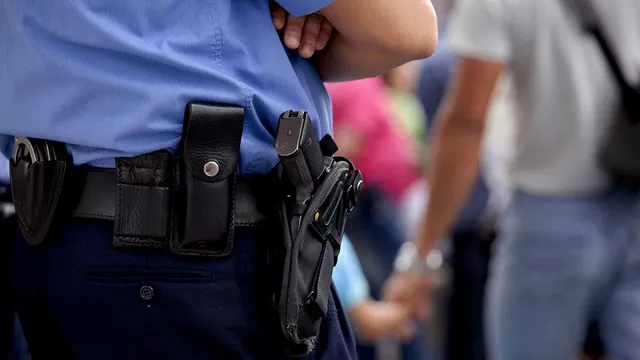
For higher levels of security, businesses can consider hiring off duty police officers for hire. These trained professionals provide a visible presence in your store or commercial property, deterring potential criminals and responding quickly in case of incidents. Unlike regular security guards, off duty officers bring law enforcement experience, which can be particularly valuable for businesses in areas with higher risks of theft or disturbances. Their presence can also reassure customers and staff, enhancing overall confidence in your business environment.
Utilizing Surveillance Cameras
Surveillance cameras are another key component of a strong security strategy. Placing cameras at entrances, exits, and critical areas inside your store allows you to monitor activity in real-time. Modern systems often come with remote access, enabling business owners to keep an eye on their premises from anywhere. High-quality cameras with clear recording capabilities not only help deter crime but also provide important evidence if an incident occurs. Strategic placement is essential to maximize coverage without creating blind spots.
Implementing Access Control Systems
Access control systems help manage who can enter certain parts of your building. This is particularly important for commercial spaces with offices, storage rooms, or restricted areas. By using key cards, codes, or biometric systems, you can prevent unauthorized entry and protect sensitive information, equipment, or inventory. Access control systems also allow you to track who enters and exits, which can be helpful for both security and operational management.
Maintaining Good Lighting and Visibility
Adequate lighting is often overlooked but plays a crucial role in preventing crime. Well-lit entrances, parking areas, and interior spaces make it harder for criminals to act unnoticed. Proper lighting also improves visibility for surveillance cameras and ensures that your staff and customers feel safe at all times. Combining good lighting with clear sightlines inside the store helps eliminate hiding spots and makes your commercial space more secure overall.
Training Staff on Security Awareness
Your employees are the first line of defense when it comes to protecting your business. Training staff on security awareness is essential to ensure they recognize suspicious behavior and respond appropriately. Employees should know how to handle incidents safely, how to use security systems like alarms or cameras, and the procedures for reporting theft or emergencies. A well-informed team can act quickly to prevent losses and support a safer environment for everyone.
Regular Security Audits
Regular security audits help identify weaknesses in your current setup. By assessing your systems, procedures, and potential vulnerabilities, you can make necessary improvements before issues arise. Audits can include checking security labels, reviewing camera coverage, testing alarms, and evaluating employee readiness. Businesses that perform regular audits tend to maintain higher levels of protection and adapt more effectively to changing risks.
Conclusion
Safeguarding your retail or commercial space requires a combination of technology, professional services, and proactive management. Using 58 kHz security labels, hiring off duty police officers for hire, installing surveillance cameras, implementing access control systems, ensuring proper lighting, training staff, and conducting regular audits are all effective measures to enhance security. By taking these steps, you can create a safer environment for your employees, customers, and assets, ultimately supporting the growth and reputation of your business.