
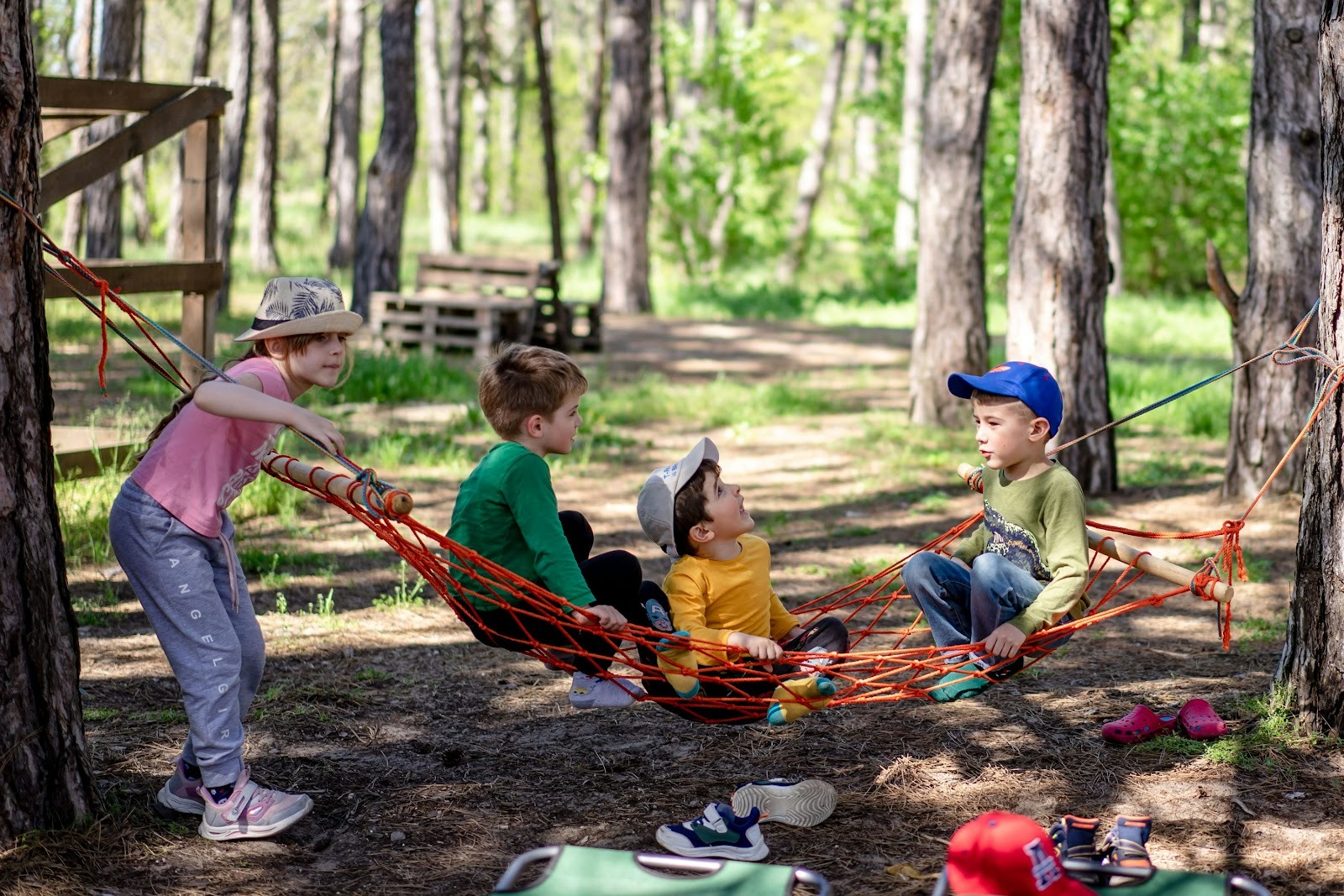
Summer camps provide a unique environment where children can learn, grow, and build meaningful relationships. A summer camp for adopted children is specifically designed to create a safe and supportive space where adopted kids can connect with peers who share similar life experiences. These camps focus on building friendships, encouraging open communication, and helping children develop strong social connections while enjoying fun and engaging activities.
1. Creating a Supportive Community
One of the most important ways a summer camp for adopted children encourages peer connection is by creating a community where everyone shares similar backgrounds. Many adopted children may feel different from their classmates or friends at school because of their unique family stories.
At camp, however, they meet other children who understand their experiences. This shared understanding helps break down social barriers and allows children to feel comfortable opening up and forming friendships.
2. Encouraging Open Conversations
Communication plays a big role in building strong peer relationships. At a summer camp for adopted children, counselors often organize group discussions, storytelling sessions, and interactive activities that encourage campers to share their thoughts and experiences.
These conversations help children express their feelings in a supportive environment where no one feels judged. As children listen to each other’s stories, they begin to develop empathy and understanding, which strengthens their connections with peers.
3. Building Friendships Through Shared Activities
Shared experiences are one of the easiest ways for children to connect with one another. A summer camp for adopted children offers a wide range of activities such as sports, arts and crafts, hiking, swimming, and team games.
These activities encourage collaboration, teamwork, and problem-solving. When children work together to complete challenges or participate in group projects, they naturally develop friendships and a sense of camaraderie.
4. Promoting Teamwork and Cooperation
Team-based activities are an essential part of camp programs because they encourage cooperation and communication. During group challenges, campers learn how to support each other, share responsibilities, and celebrate successes together.
In a summer camp for adopted children, teamwork activities also help children realize the value of supporting others who may be experiencing similar feelings or challenges.
5. Building Lasting Connections and Confidence
The friendships formed at camp often extend beyond the camp experience itself. When children connect with peers who understand their backgrounds, they are more likely to maintain those relationships through messages, calls, or future camp visits.
A summer camp for adopted children helps build these lasting bonds while also boosting children’s confidence in their social abilities. Feeling accepted and supported by peers can have a lasting positive impact on a child’s self-esteem and emotional well-being.
Conclusion
A camp designed specifically for adopted children plays an important role in encouraging peer connections and emotional growth. Through shared experiences, open conversations, and supportive community environments, children can build strong friendships and develop valuable social skills. A summer camp for adopted children not only provides fun and adventure but also creates meaningful opportunities for children to connect with others who truly understand their journey.