
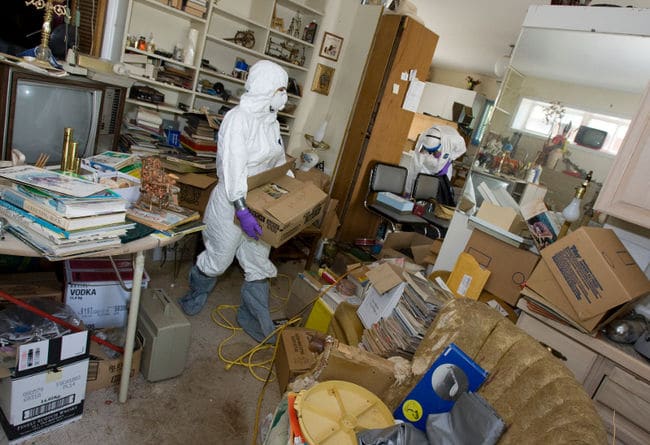
I’ve sat with people in homes that felt impossible to move around in. I’ve seen the relief on their faces after reclaiming a single surface — a kitchen counter, a small corner, a clear path to the bathroom.
This guide isn’t about shaming. It’s practical, step-by-step help you can use right away, whether you’re the person dealing with hoarding or someone trying to help a loved one.
For confidential, professional support, visit our Hoarding Cleanup Assistance page.
Step 1 — Stop. Look. Plan.
Don’t rush. Walk through the house slowly and note immediate dangers like:
- Blocked exits or narrow escape routes
- Wet spots, mold, or signs of pests
- Overloaded shelving or unstable piles
Write these down. Then, decide which room — kitchen, bathroom, or bedroom — would give the biggest everyday benefit if cleared. Pick that as your first goal.
Step 2 — Small Goals, Steady Progress
Large projects overwhelm people. Instead, set 1–2 hour goals:
- Clear one surface
- Organize a shelf
- Reclaim one chair
Celebrate small wins. Do another the next day. Short, calm sessions work best.
Step 3 — Gear Up Safely
Essential protective gear includes:
- Nitrile or heavy-duty gloves
- N95 masks (for dust or mold)
- Sturdy shoes and long sleeves
- Strong garbage bags, boxes, and labels
Always bring a helper. Heavy lifting should never be done alone.
Step 4 — Sorting With Respect
Use simple categories: Keep, Hold, Donate, Recycle, Dispose.
- If the homeowner is present, let them handle items they value.
- If not, photograph and label things before removal.
- For emotional items, create a “Hold” box to revisit later.
Step 5 — Handle Sensitive Items First
Pay attention to important or hazardous items:
- Documents: store in a locked box or folder.
- Medications: dispose safely or use pharmacy take-back programs.
- Electronics & batteries: recycle as e-waste.
- Chemicals & paints: take to hazardous waste facilities.
Step 6 — Remove and Transport Efficiently
- Protect floors with cardboard or cloth runners.
- Use sealed bags for unsanitary materials.
- Load trucks with donations and trash separated to avoid mix-ups.
Step 7 — Clean and Repair
After clearing:
- Dust, vacuum, and sanitize surfaces.
- Change HVAC filters and check vents.
- Deodorize thoroughly.
- Hire professionals for soaked carpets or mold.
- Fix small repairs immediately (loose boards, dripping taps).
Step 8 — Record and Communicate
Keep a log with:
- Photos (before & after)
- Lists of items removed
- Donation receipts
Transparency reduces family conflicts and builds trust.
Step 9 — Follow-Up and Habit Building
Hoarding isn’t solved in one weekend. Create a plan:
- Weekly or biweekly check-ins
- Small maintenance tasks (e.g., clear one drawer a week)
- Local therapist or support group referrals
Habits matter more than one-time “big cleans.”
Common-Sense Tips That Actually Help
- Never do a surprise clean-out — it destroys trust.
- Keep a “decision box” for items needing time.
- Use clear storage bins so items are visible.
- Provide a clutter-free, safe sitting spot for the person during cleanup.
When to Call Professionals
Call experts if you see:
- Mold covering large areas
- Major pest infestation
- Biohazards (human waste, soiling)
- Structural damage
Professionals handle safety, disposal, and emotional support better than DIY. If you’re in Texas, our trained team offers discreet and compassionate Hoarding Services.
Closing — A Personal Note
I’ve seen people start with a single cleared counter and, over time, reclaim their whole home. It’s not magic; it’s steady steps, respect, and reliable support.
Frequently Asked Questions
Q1. What makes hoarding cleanup different from standard cleaning?
Hoarding cleanup involves safety checks, respectful sorting, safe disposal of hazardous items, and emotional support — it’s much more than regular house cleaning.
Q2. How long does a hoarding cleanup usually take?
The timeline depends on the situation. A single room may take a day, while a full-home cleanup often requires phased visits over several weeks.
Q3. Will you throw away important or sentimental items?
No. Valuable and meaningful belongings are never removed without consent. Items can be documented, labeled, or placed in “Hold” boxes for later decisions.
Q4. Is hoarding cleanup confidential?
Yes. Services are carried out discreetly and respectfully, ensuring privacy and dignity throughout the process.
Q5. When should someone consider professional hoarding cleanup services?
If the home has safety hazards like mold, pests, biohazards, or overwhelming clutter, professional hoarding cleanup teams provide the safest and most effective solution.